
Now Reading: What is Cybersecurity and Why It Matters in Daily Life
-
01
What is Cybersecurity and Why It Matters in Daily Life

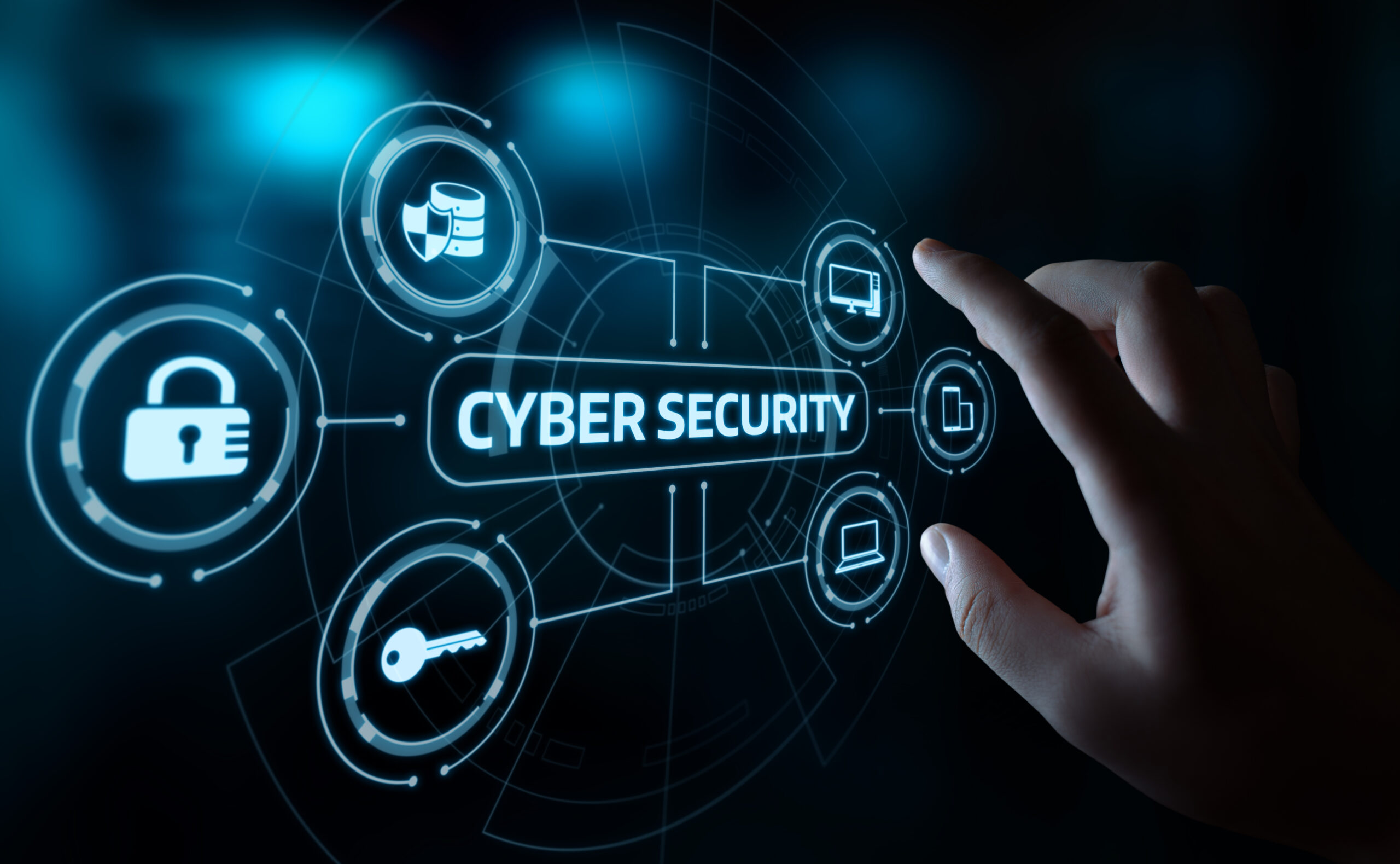
Cybersecurity is the backbone of our digital lives, protecting everything from our most personal messages to the systems that drive society. In an era where every swipe, click, and connection leaves a digital trace, understanding cybersecurity—and its vital role in daily life—is more important than ever.
What is Cybersecurity?
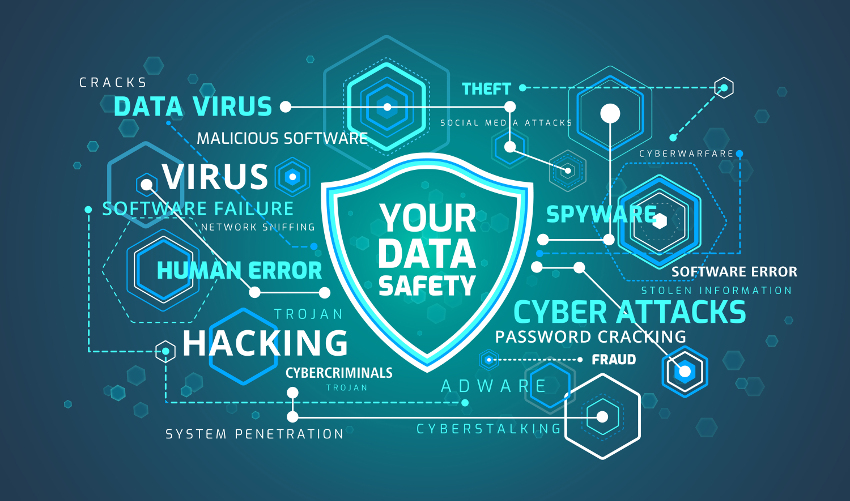
At its core, cybersecurity is the practice of defending computers, networks, mobile devices, and digital data from malicious attacks or unauthorized access. Think of it as a combination of technologies, strategies, and behaviors that shield our digital lives from threats ranging from viruses and hackers to scams and data leaks. In everyday terms: cybersecurity helps keep information private, services reliable, and daily routines undisturbed.
Key Areas of Cybersecurity
- Network security: Keeping computer networks safe from unauthorized access or damage.
- Application security: Ensuring software and apps remain free from threats.
- Information security: Protecting sensitive data, whether it’s stored on a device or sent across the internet.
- Operational security: Managing data access and determining how it is handled or shared.
- Disaster recovery: Creating plans to recover quickly from breaches or data loss.
- User education: Empowering individuals to recognize and respond to common risks, such as suspicious emails or scams.
Why Cybersecurity Matters in Daily Life
With every advancing year, the line between “online” and “offline” blurs—our finances, health records, work tasks, and even home appliances are increasingly connected to the internet. Here’s why cybersecurity has become essential for daily well-being:
Protecting Sensitive Information
Personal and financial information is highly sought after by cybercriminals. This includes banking logins, social security numbers, healthcare records, and even private conversations. Without proper safeguards, these can fall into the wrong hands, leading to identity theft, financial loss, or public embarrassment.
Preventing Financial and Privacy Loss
The rise in online shopping, digital payments, and mobile banking also brings vulnerability. A single phishing email or malware infection can drain bank accounts or expose credit card numbers. Robust cybersecurity practices—such as using strong passwords and enabling two-factor authentication—help shield these vital day-to-day transactions.
Guarding Devices Against Attacks
Smartphones, laptops, tablets, and “smart home” devices can all be targets for malware and ransomware. A compromised device may be used to spy, monitor activities, or steal confidential information. Regular updates, safe browsing habits, and trusted security software make it harder for attackers to succeed.
Maintaining Productivity and Safety
Viruses or cyberattacks can disrupt work, studies, or personal life by corrupting files or shutting down systems. For businesses and professionals, this can mean lost income, damaged reputations, and legal troubles. For individuals, it might mean losing family photos, school projects, or access to communications.
Enabling Safe Remote Work and Digital Freedom
Remote work and online collaboration are here to stay, but they require strong cybersecurity at home and in transit. Securing Wi-Fi networks, educating family about online threats, and using VPNs are ways to maintain privacy while enjoying the flexibility of digital lifestyles.
Real-World Threats Facing Everyday Users
The sheer variety and volume of attacks are growing rapidly. Some common examples:
- Phishing: Deceptive messages tricking users into revealing passwords or installing malware.
- Ransomware: Hackers lock data or devices, demanding payment for release.
- Identity theft: Criminals gain enough information to impersonate individuals financially or legally.
- Data breaches: Large leaks from companies or services, putting millions of users at risk.
- Internet of Things (IoT) attacks: Weak security in “smart” devices like cameras and alarms can turn homes into easy targets.
Simple Steps to Boost Daily Cybersecurity
Fortunately, strong cybersecurity isn’t just for experts or giant corporations. Everyone can take simple steps to greatly reduce their risk:
- Use strong, unique passwords for different services.
- Enable two-factor authentication whenever possible.
- Keep software and devices updated to close vulnerabilities.
- Be wary of unknown emails, links, or messages and never share sensitive information carelessly.
- Install trusted security tools like antivirus software and firewalls.
- Back up important data frequently, either to secure cloud storage or offline drives.
The Broader Impact: Society, Business, and Beyond
Cyberattacks don’t just hurt individuals. Hospitals, banks, transport networks, and government services all rely on digital security to keep society running smoothly. A single compromised account or system can ripple outward, causing widespread disruption.
For businesses, strong cybersecurity builds customer trust, protects intellectual property, and ensures compliance with regulations. For families, it keeps children safe as they learn and play online. For society, it preserves the privacy and stability essential to everyday life.
Conclusion
Cybersecurity is no longer optional or the domain of backroom IT experts—it’s a daily necessity for everyone in a connected world. By making small, smart choices and staying informed, individuals can protect themselves and their communities, building a safer and more resilient digital future for all.